

Architecture in the wild

Have you stopped to look at your surroundings lately?
It’s easy to move through a place without really seeing it. We follow the familiar route, keep our eyes on what’s ahead and let the everyday blur into the background. But look a little closer, and there’s often something waiting to catch your attention: a flash of colour between buildings, a window that frames a slice of sky, a shadow that changes the shape of a wall.
We started noticing these moments on ordinary walks. Not the landmarks or the buildings we’d set out to find, but the details that revealed themselves along the way.
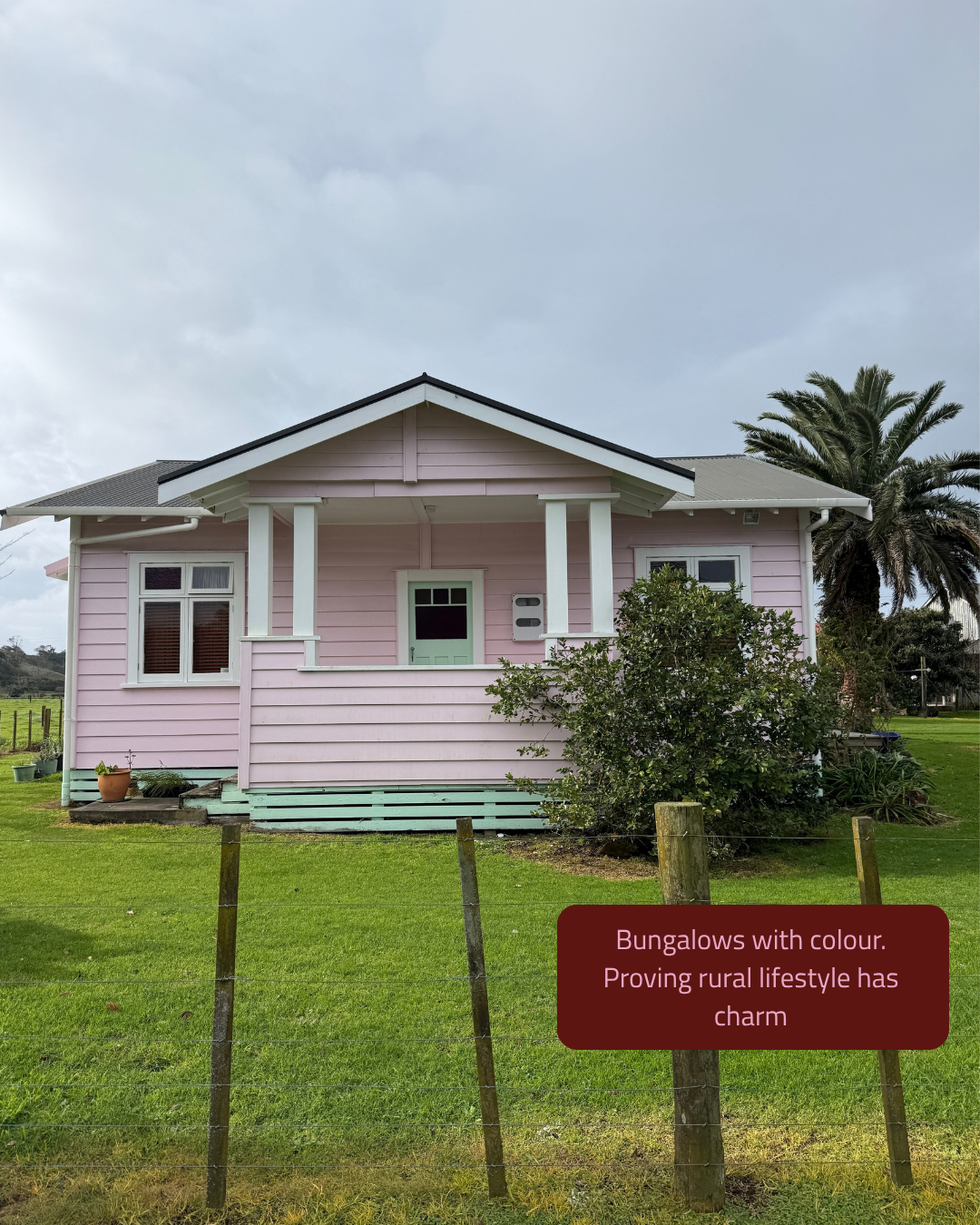
A pocket of colour
Colour has a way of interrupting the everyday. It might be a painted door, a bright awning, a tiled entrance or a single wall standing out among quieter facades. Sometimes it feels deliberate and bold. Other times it appears almost by accident, catching the light or peeking through a gap in the streetscape.
These small bursts can change how a place feels. They draw the eye, give a building its own character and offer a point of recognition as we move past. A little colour can make an ordinary corner feel memorable.
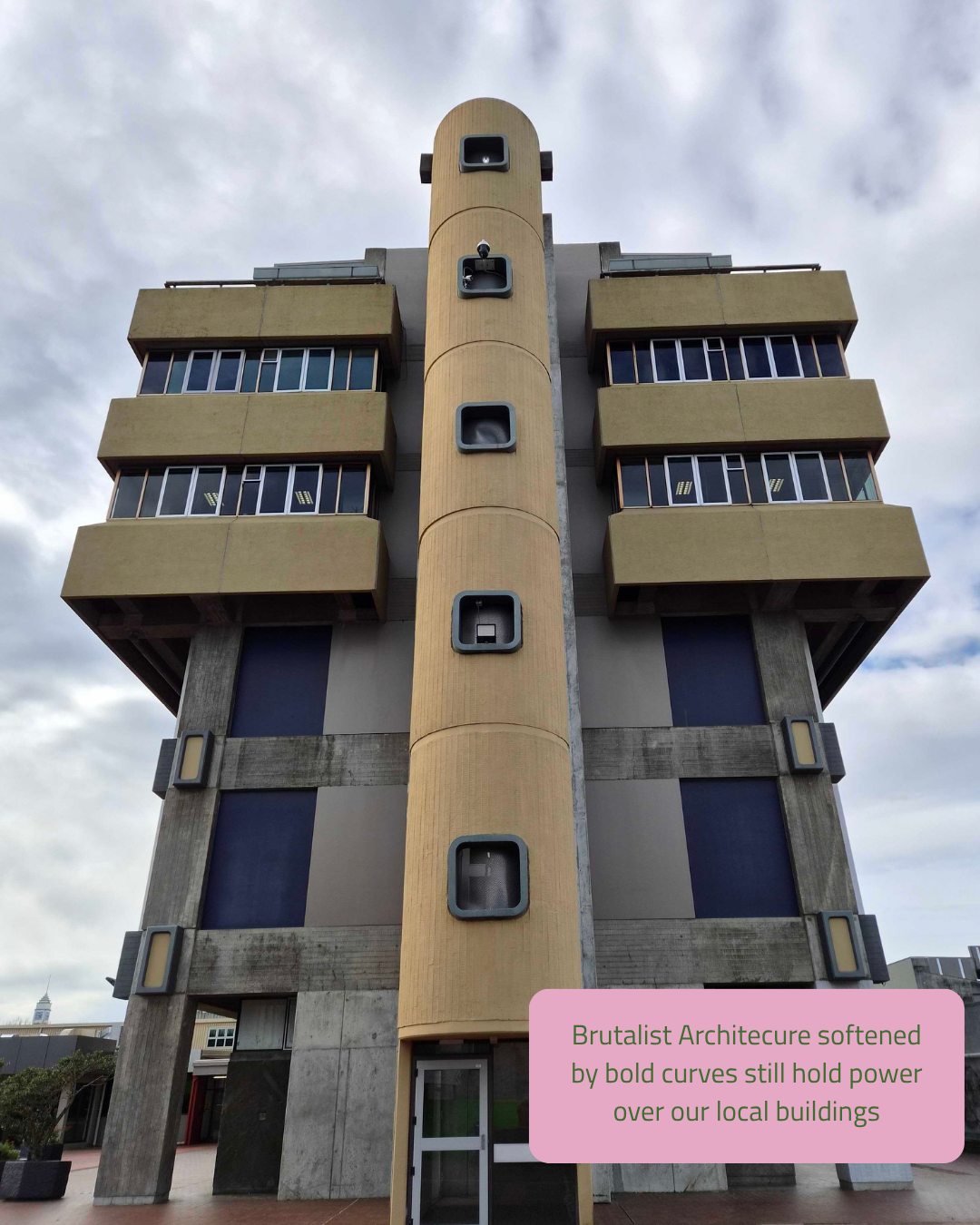
A view, framed
Architecture doesn’t only give us places to stand. It shapes what we see from them.
A doorway can frame a garden. A gap between buildings can open onto a distant hill. A window can turn a passing view into something that feels almost like a picture. These frames are everywhere, though we might not notice them until we slow down.
The view itself doesn’t have to be spectacular. Sometimes it’s the contrast that makes it interesting: a patch of green against concrete, a strip of sky above a roofline, or the movement of people passing through a carefully shaped opening.
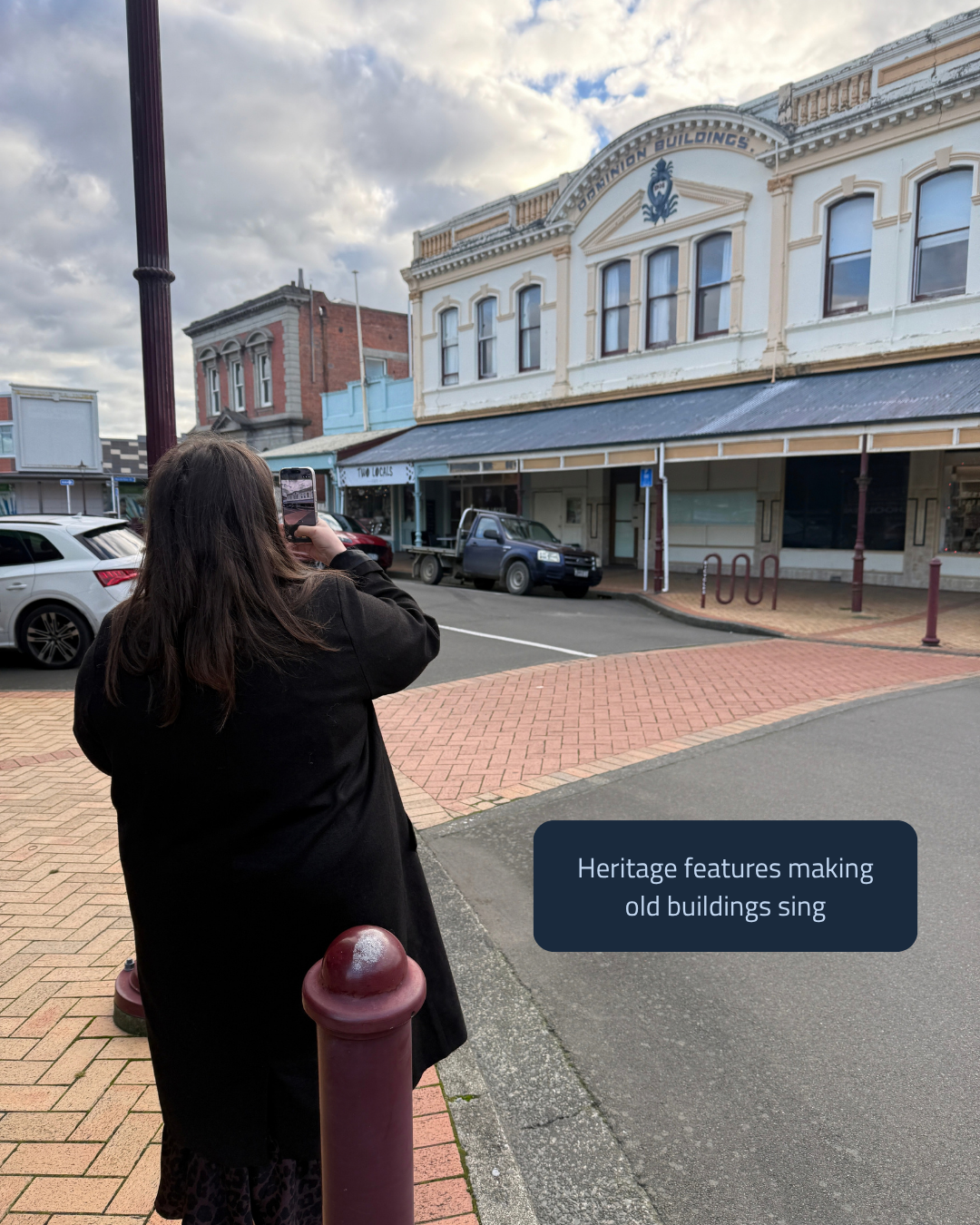
When a building makes itself known
Some architecture asks for attention. It does this through scale, material, shape or a detail that refuses to blend in. A striking roofline, an unexpected curve, a strong entrance or a play of textures can make a building feel present in the street.
And then there are the quieter ways architecture makes itself known. The way a wall guides us around a corner. The shelter offered by an overhang. The change in light as we step inside. These gestures might not announce themselves, but we feel their effect as we move through a space.
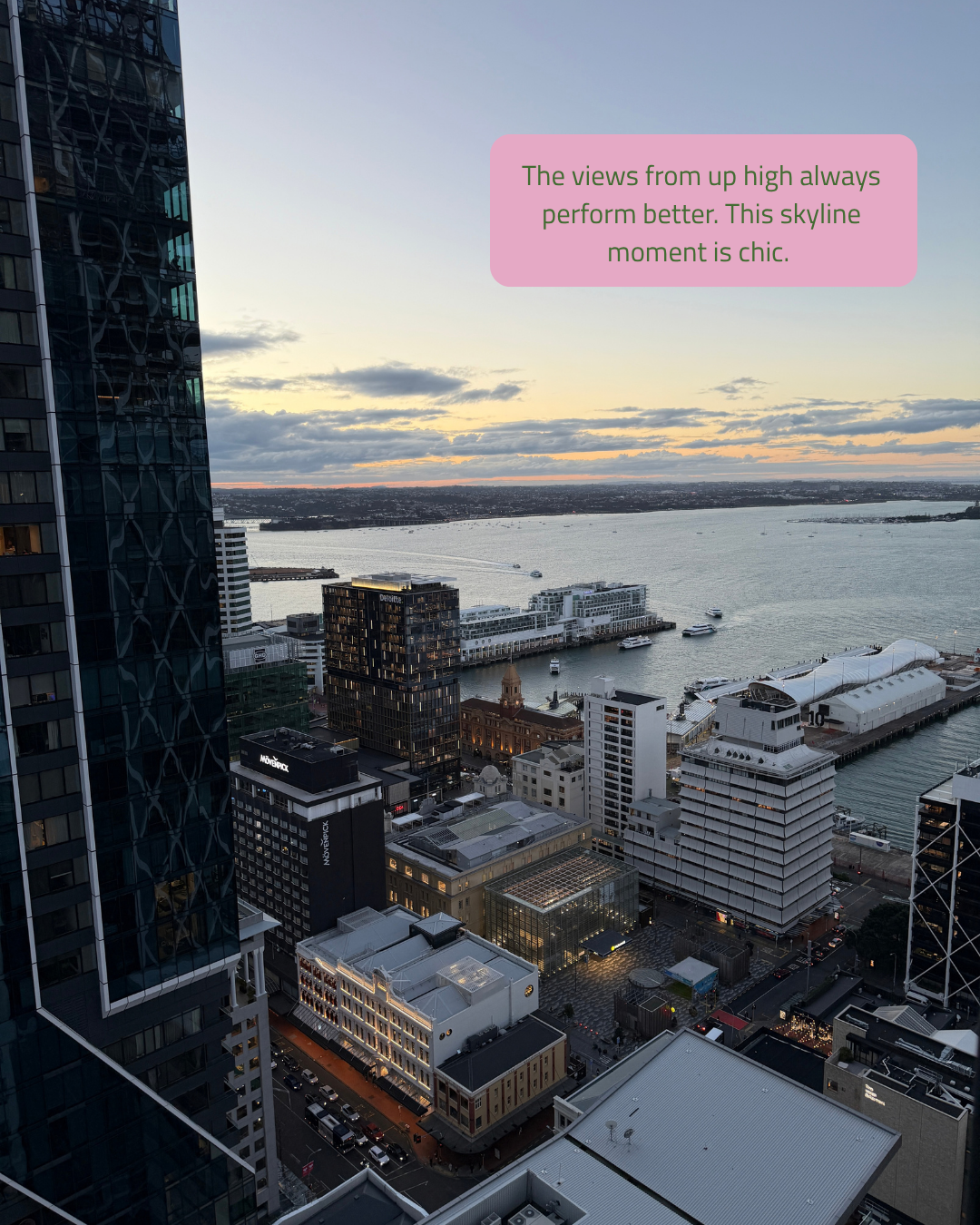
Details worth a second look
Often, the most interesting things are easy to miss: a handle worn smooth by years of use, a pattern repeated across a facade, a threshold between public and private space. They tell us how a building is used, how it meets the street and how people have made it their own.
Noticing these details doesn’t require specialist knowledge. It just asks us to be curious. What catches your eye? Where does the light fall? What feels welcoming, surprising or out of place?
Look again
The built environment is part of our everyday backdrop, but it doesn’t have to stay in the background. A short pause can turn a familiar walk into a fresh experience.
So next time you’re out, look up, look around and take the long way past something that interests you. Notice the colour, the framing, the textures and the small decisions that shape the places we share.
Architecture is all around us. Sometimes it just takes a moment to see it.
